
A strengths-first approach to understanding neurodiversity
at work
Different Minds at Work
Neurodiversity, Cognitive
Diversity & Collaboration
workshops & Coaching
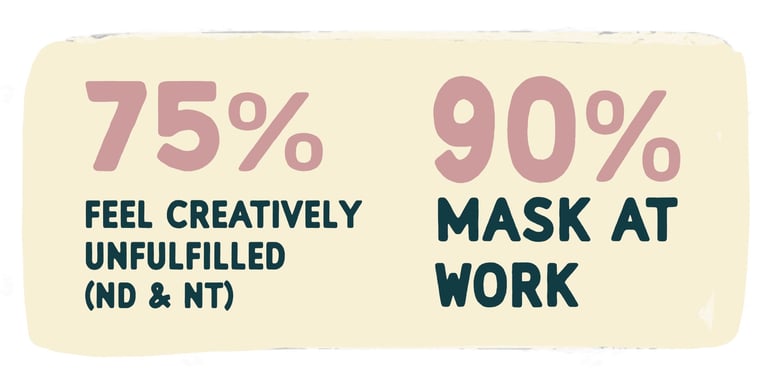
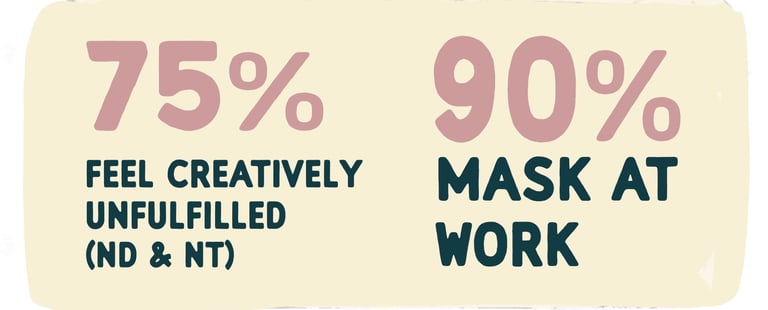
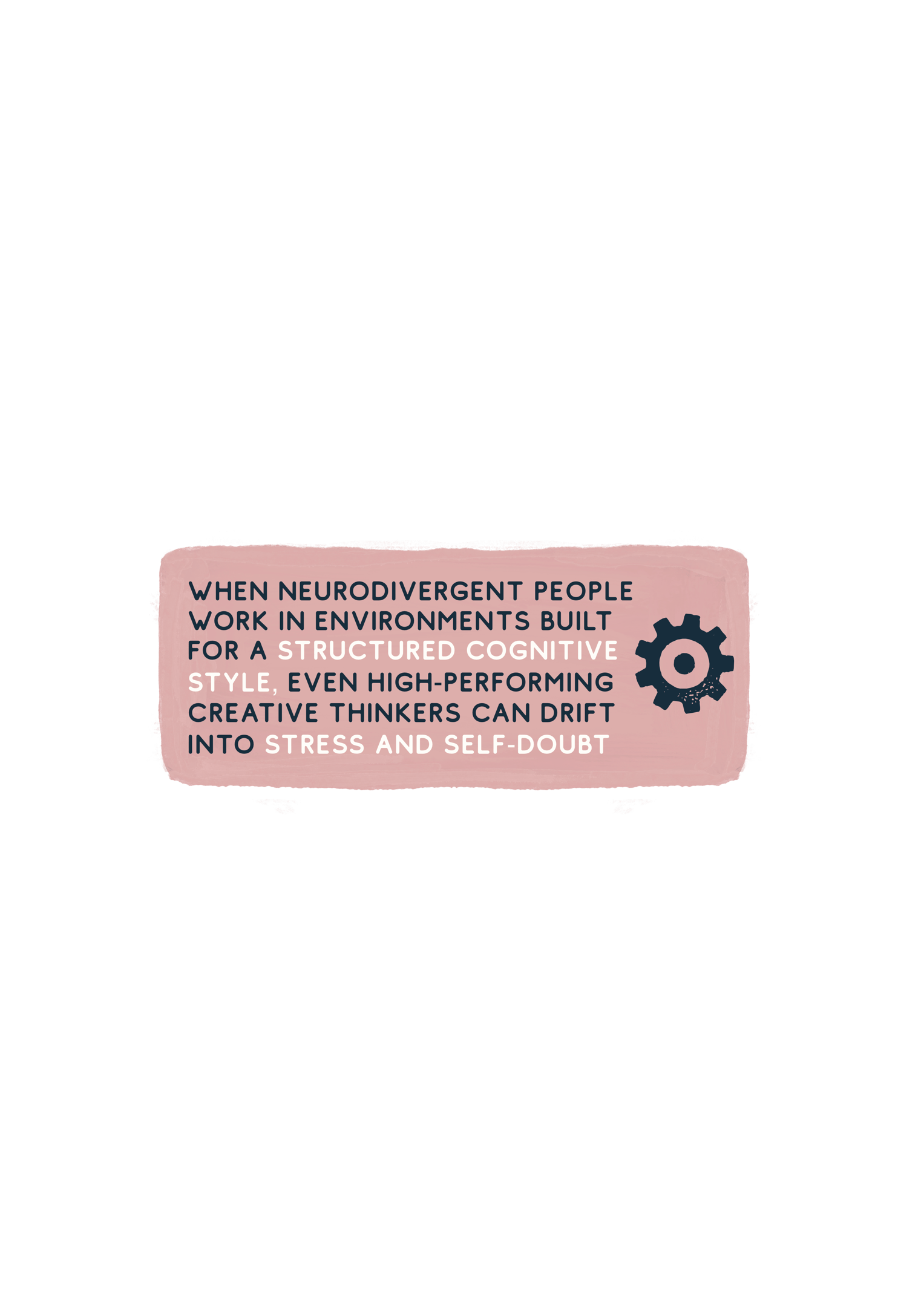
neurodivergent thinking is highly advantageous in the workplace, yet the people who deliver it can often feel like they're navigating environments designed for different minds.
Neurodiversity explains differences. Cognitive diversity
unlocks
potential.
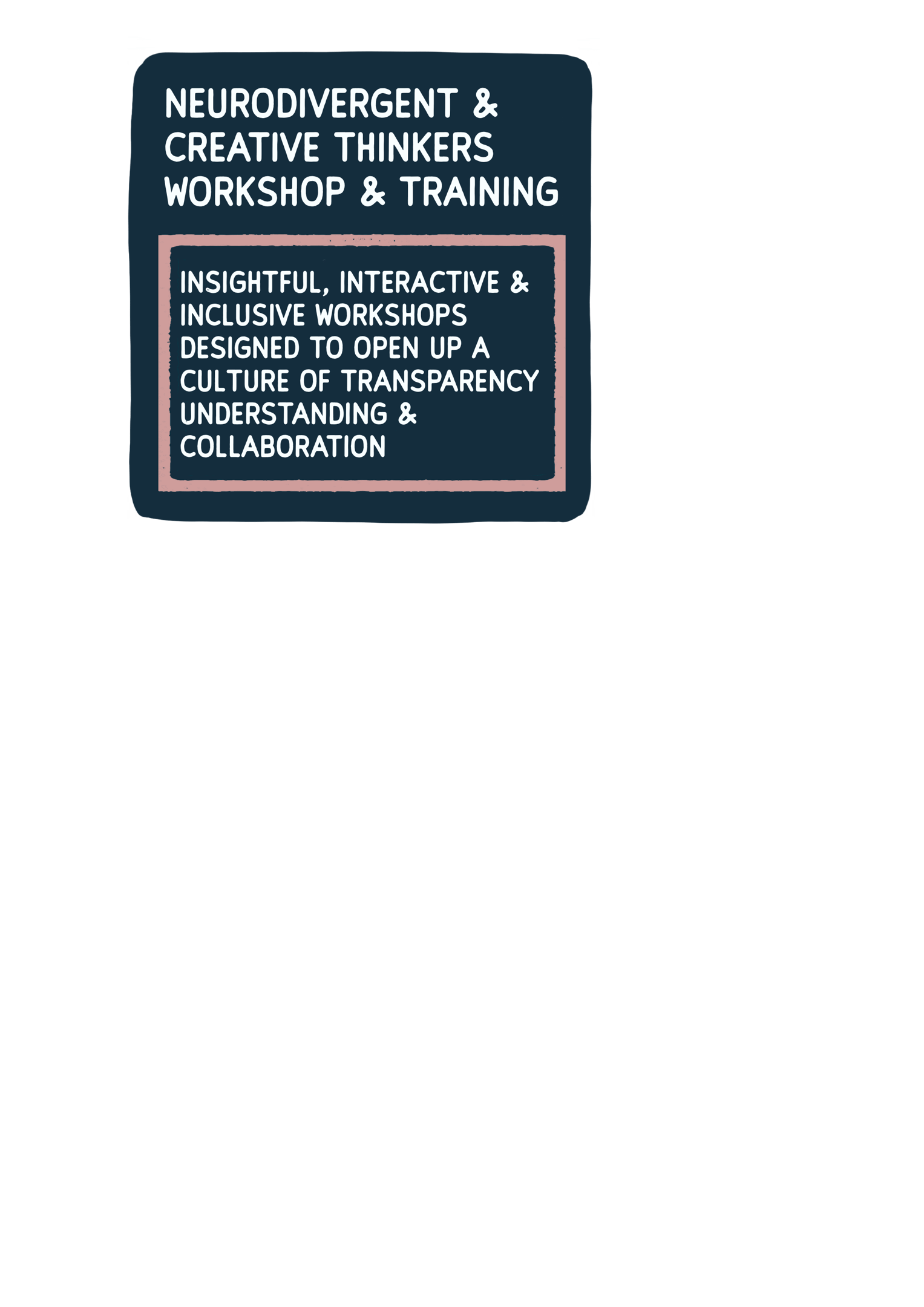
Neurodiversity & Creativity
Cognitive Diversity, productivity, collaboration
Creative Identity & resilience
Creator types, Strength profiles, generalist / Polymath / Multipotentialite profiles
Hyperfocus & Burnout
Self Sabotage & Burnout
Psychological Safety: transparency. Reducing stigma, raising empathy,
Translation, Communication & Collaboration: Strengths, values, minds, moods, motivations
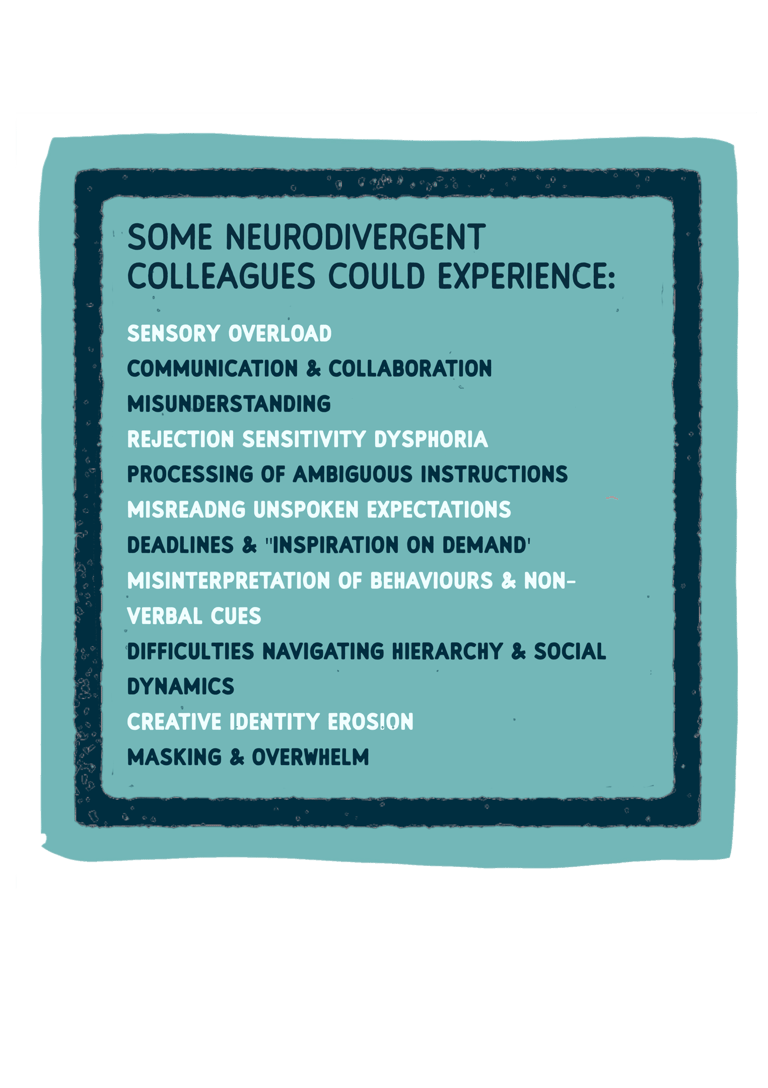
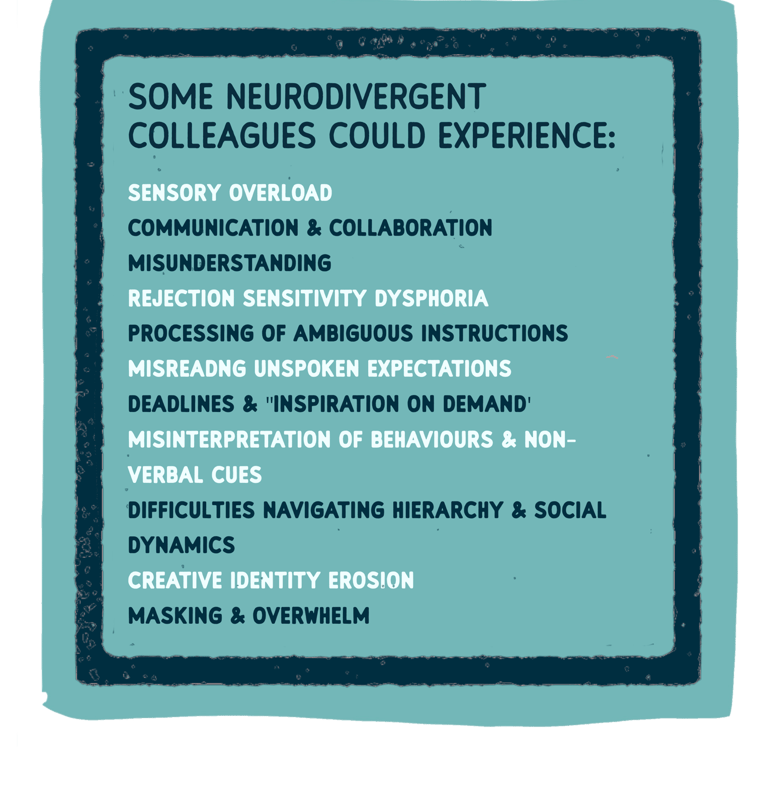
Workshops help:
Identify mismatched communication and misunderstood strengths.
Transform neurodiversity from an accommodation topic into an advantage
Establish a culture of psychological safety and reduce stigma
Translate policy & headlines into real-world relatable insight
Create a shared langauge so people can own their differences as strengths
Unlock creativity & divergent thinking in mixed cognitive teams
Help Creative thinkers Strengthen their position, proposition, purpose and retain authenticity
Build resilience & unique creative value in industries undergoing Ai-era change
Support creative talent to evolve and adapt from specialist to generalist roles
Improve collaboration & understanding across mixed teams, reducing friction & burnout
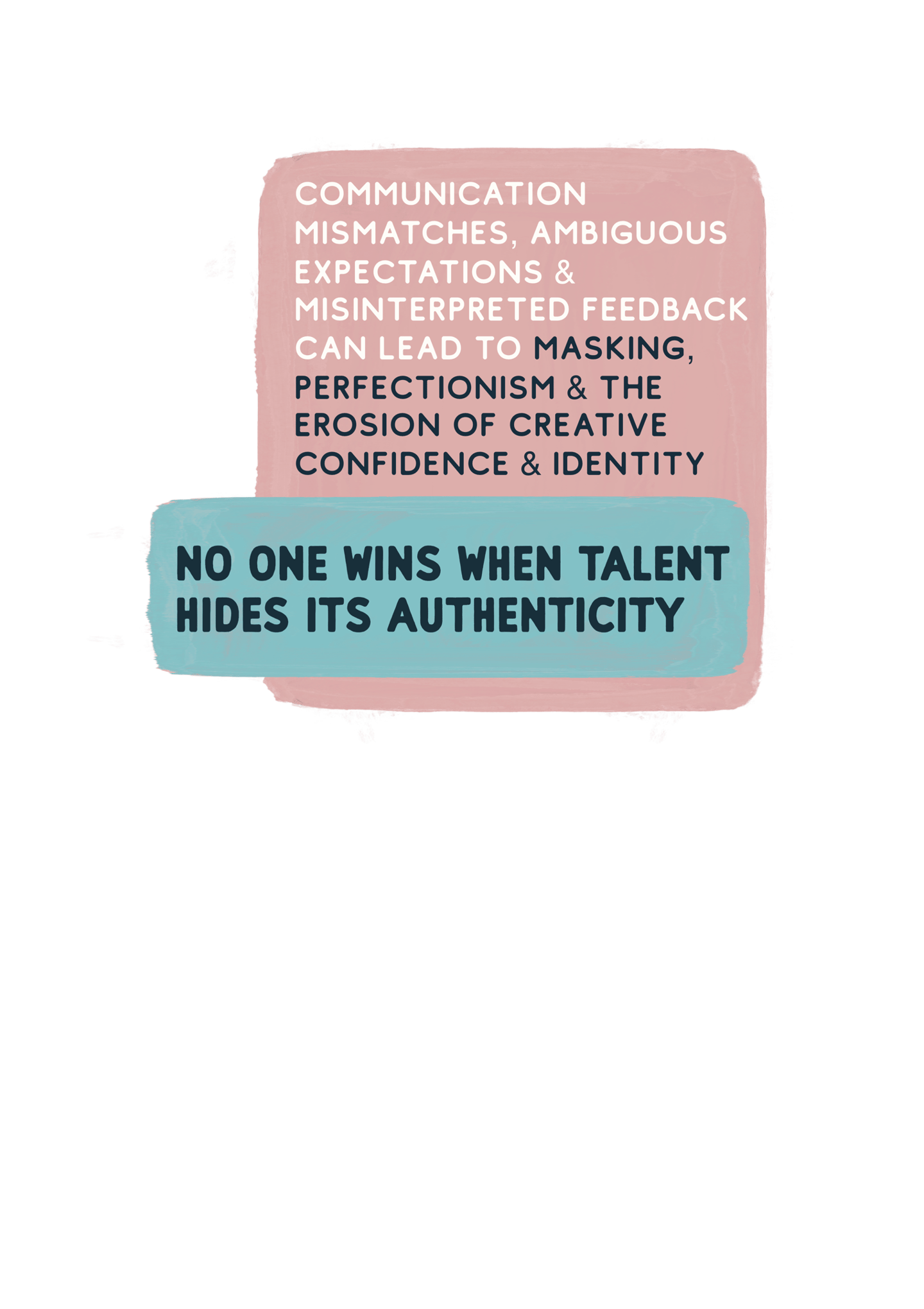
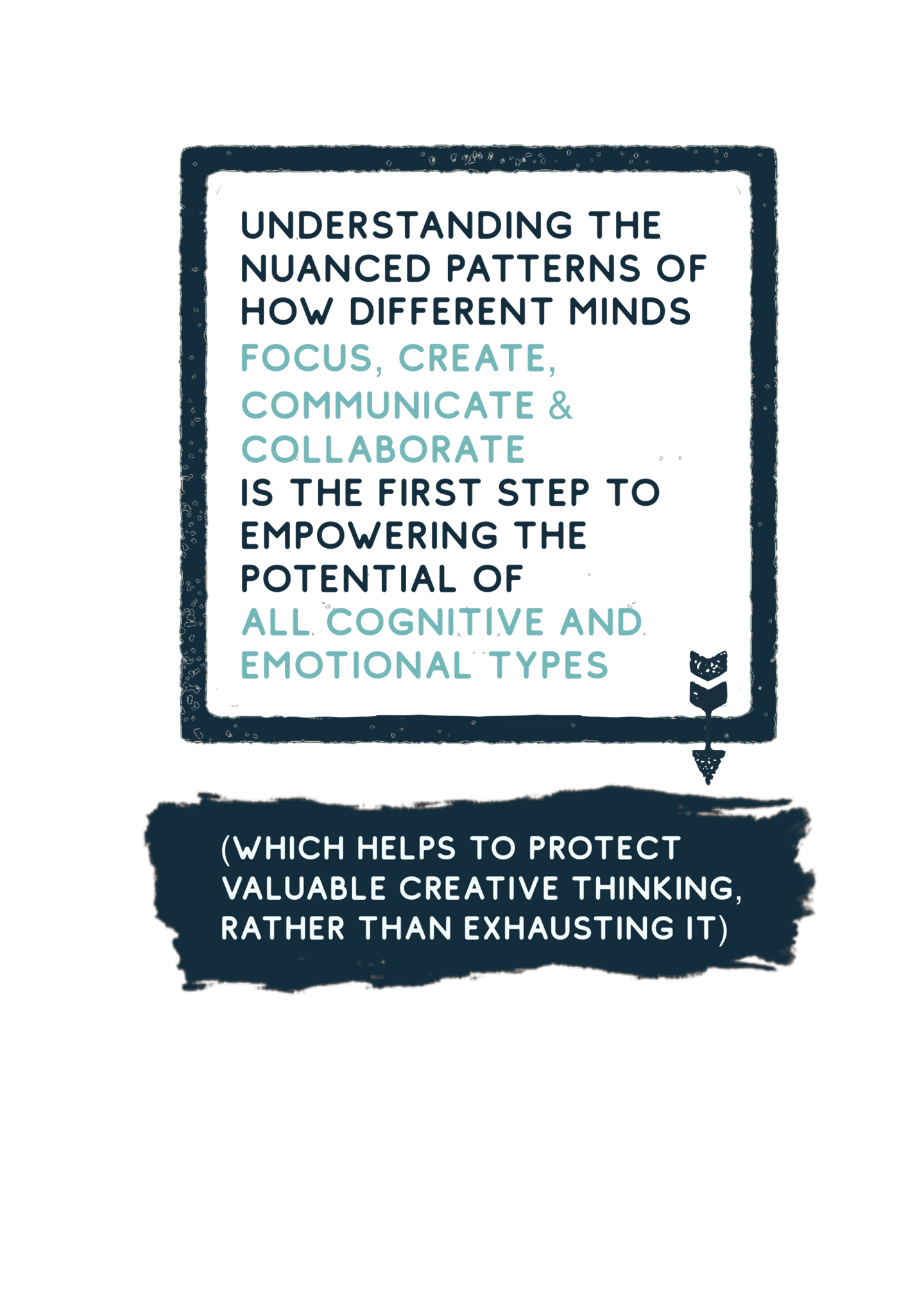
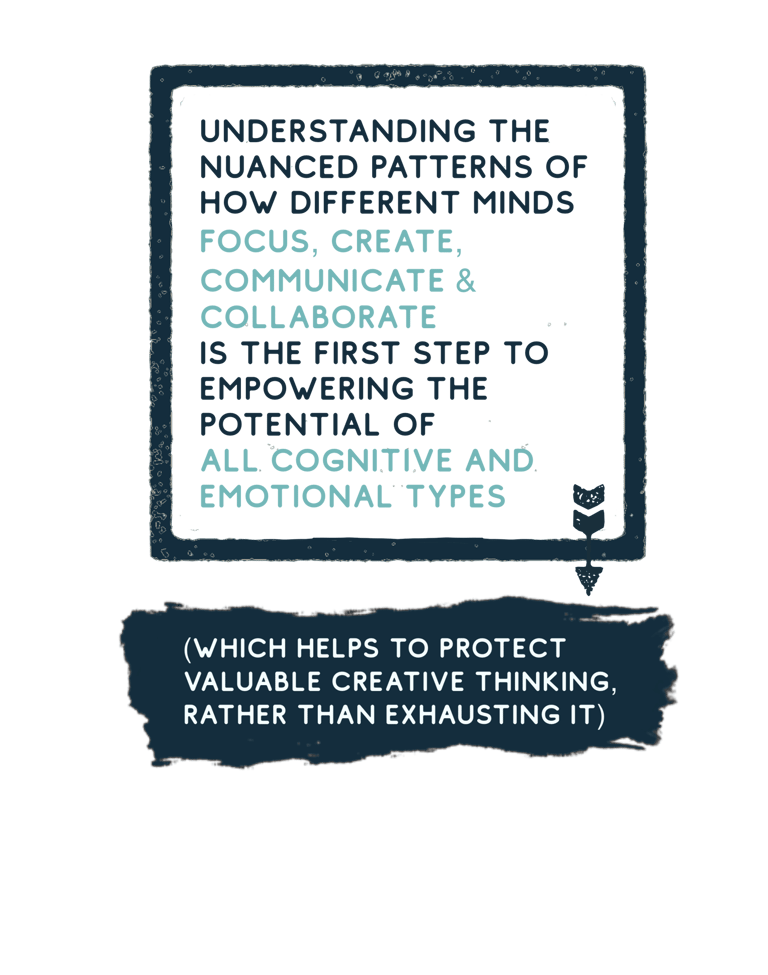
Many Cognitive and emotional differences that are framed as deficits, are often untapped strengths, in mismatched environments.
a strengths-first, labels second approach to neurodiversity and Mixed-Cognitive Collaboration, recognises the valuable skills & collective potential that everyone uniquely brings.
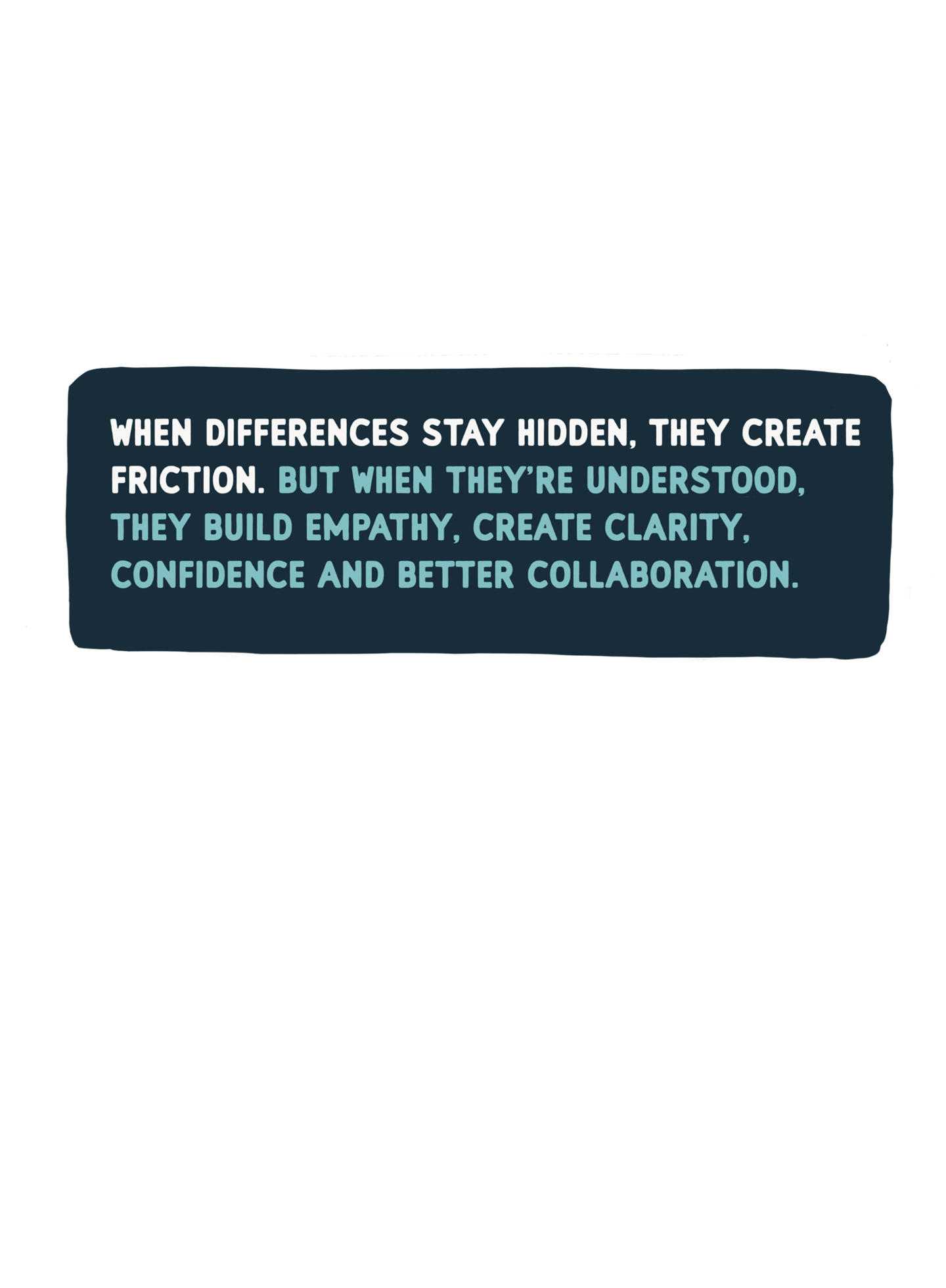
Psychological safety comes from relatable insight and a shared language. Enabling people to own their individual strengths - not feel held back by their individual differences.
Adjustments often fail or go unused when the surrounding culture lacks insight and empathy
Austin & Pisano
hello@forkinthesoup.com
© Fork in the Soup All rights Reserved 2026